
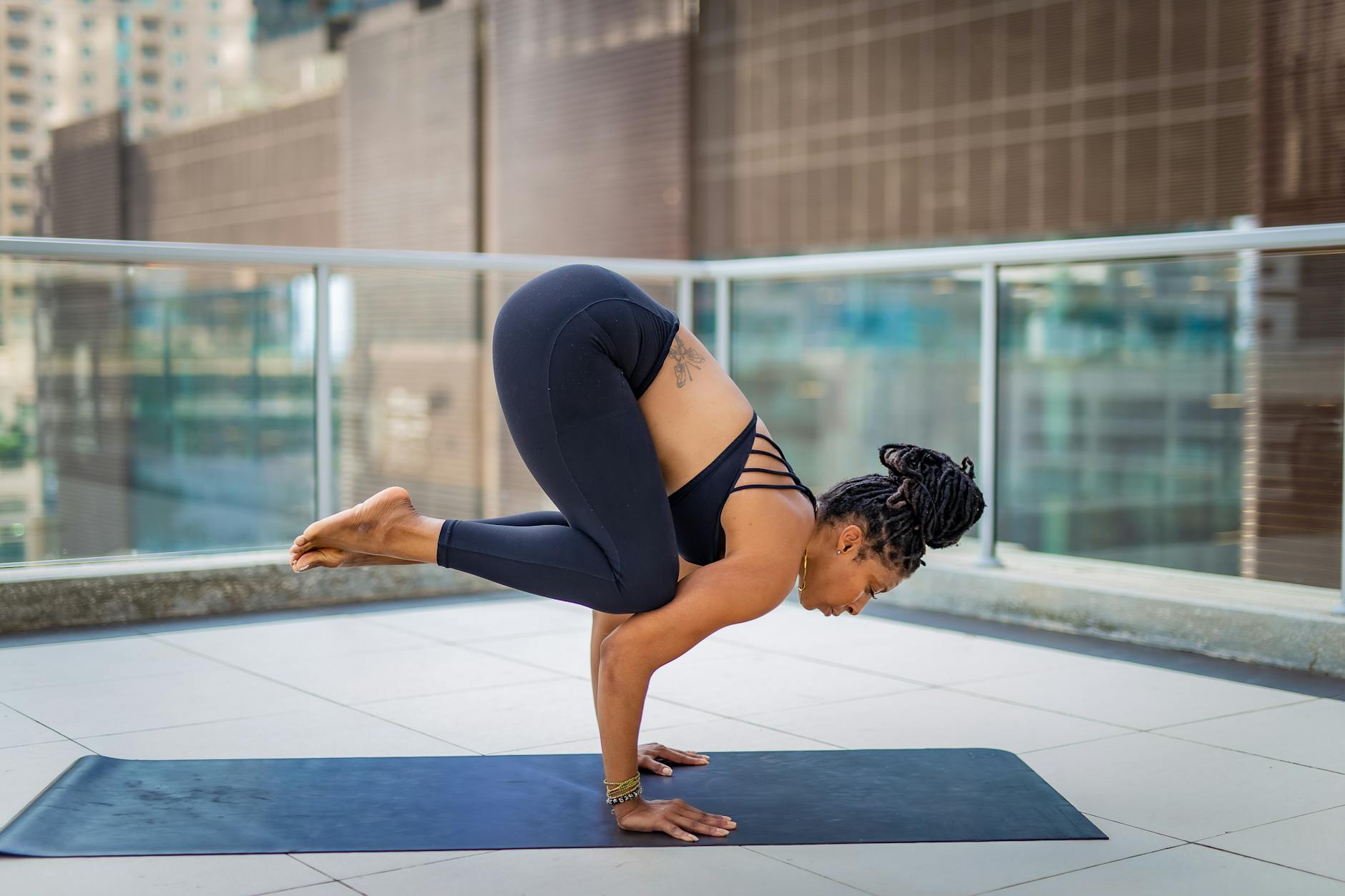
Yoga is often thought of as a gentle, calming practice, but it also has the potential to challenge us physically, mentally, and even emotionally. While familiar poses can offer comfort and consistency, stepping out of your comfort zone by trying new or challenging poses is a powerful way to foster growth in your practice. Here’s why it’s beneficial to test your edges in yoga, and how even a small step outside the familiar can lead to incredible transformation.
Why Challenge Yourself?
1. Physical Growth
Incorporating different types of poses helps build strength, flexibility, and endurance. When you practice new poses, you’re inviting your body to explore new ranges of motion and muscle engagement, leading to improved mobility and overall resilience.
2. Mental Resilience
Facing challenges on the mat encourages patience and mental strength. Trying a balance or inversion for the first time often brings up moments of hesitation, but learning to stay present and calm in those moments strengthens your mind. The confidence you gain from working through these challenges in yoga can extend into all areas of life.
3. Self-Discovery
New poses can reveal areas where we hold tension, fear, or even self-limiting beliefs. Observing how you respond to challenging postures can lead to meaningful self-reflection. For example, noticing frustration in a tricky balance can be a reminder to approach things with patience and kindness.
4. Variety and Avoiding Plateaus
Trying different poses prevents your practice from becoming routine. Each pose engages different muscles and creates a fresh experience, so incorporating variety helps prevent physical plateaus and keeps your mind and body engaged in learning and discovery.
What Makes a Pose “Challenging”?
A challenging pose isn’t necessarily an advanced or complex one. It’s simply any pose that feels slightly outside your comfort zone, pushing you in a way that feels engaging but safe. This could mean holding a familiar pose for longer, practicing a new variation, or exploring a posture that requires more focus or strength.
Below are a few examples of poses that can offer different types of challenges:
Examples of Poses to Challenge Your Practice
1. Strength-Building Challenge
Pose: Chaturanga Dandasana (Four-Limbed Staff Pose)
Why: Chaturanga strengthens the arms, shoulders, and core, which can be intense for beginners and experienced practitioners alike. Proper alignment is key, so going slowly builds endurance and control.
Try This: Slow down as you lower from plank, or pause halfway down to hold. This will increase the strength-building benefits of the pose.
2. Balance Challenge
Pose: Vrksasana (Tree Pose)
Why: Balance poses like Tree cultivate mental focus and body awareness. Balancing on one leg challenges your stability and core strength.
Try This: Experiment by closing your eyes or raising your arms, both of which make Tree Pose more challenging for balance and focus.
3. Flexibility Challenge
Pose: Uttanasana (Standing Forward Bend)
Why: For those with tight hamstrings or lower back tension, Uttanasana can be a great stretch, helping release these areas gradually.
Try This: Bend your knees slightly to fold deeper into the pose, then work on straightening your legs over time to increase hamstring flexibility.
4. Mental Resilience Challenge
Pose: Virabhadrasana III (Warrior III)
Why: This one-legged pose requires a blend of strength, balance, and focus. It teaches stability while cultivating mental focus and resilience.
Try This: Reach your arms forward or close your eyes for a few breaths to build mental and physical endurance.
5. Inversion Challenge
Pose: Salamba Sirsasana (Supported Headstand)
Why: Inversions can seem intimidating, but they help you trust in your body’s strength and resilience. Practicing inversions also enhances core and shoulder strength.
Try This: If you’re new to inversions, start with Dolphin Pose or use a wall for support. With time, you’ll build the strength and confidence to try headstand independently.
6. Mobility Challenge
Pose: Malasana (Garland Pose)
Why: This deep squat challenges hip and ankle mobility. It’s a great pose for opening the hips and lower spine, improving flexibility and range of motion.
Try This: Shift your weight from side to side to explore deeper hip mobility, or try lifting your heels for a balance variation.
How to Approach Challenging Poses Safely
When adding challenging poses to your practice, approach each with patience and curiosity. Remember, yoga isn’t about achieving perfection but about exploring your own boundaries and capabilities.
Listen to Your Body: Every day is different, so honor how you’re feeling in the moment. If a pose feels too intense, use props or modifications, or try a different variation.
Focus on Breath: Let your breath guide you. Maintaining a steady breath can help you stay grounded, even if the pose feels challenging.
Celebrate Progress, Not Perfection: It’s easy to focus on reaching the full expression of a pose, but celebrating small progress—like holding Warrior III for an extra second—builds confidence and joy in your practice.
Conclusion
Challenging yourself in yoga isn’t about doing the “hardest” poses or achieving flashy shapes. It’s about engaging with your practice in a way that encourages growth, resilience, and self-discovery. By stepping out of your comfort zone, even slightly, you’ll gain a deeper understanding of yourself, both on and off the mat. Embrace the journey, honor your body, and celebrate the small victories along the way.
 Salubrity + Soul Yoga