
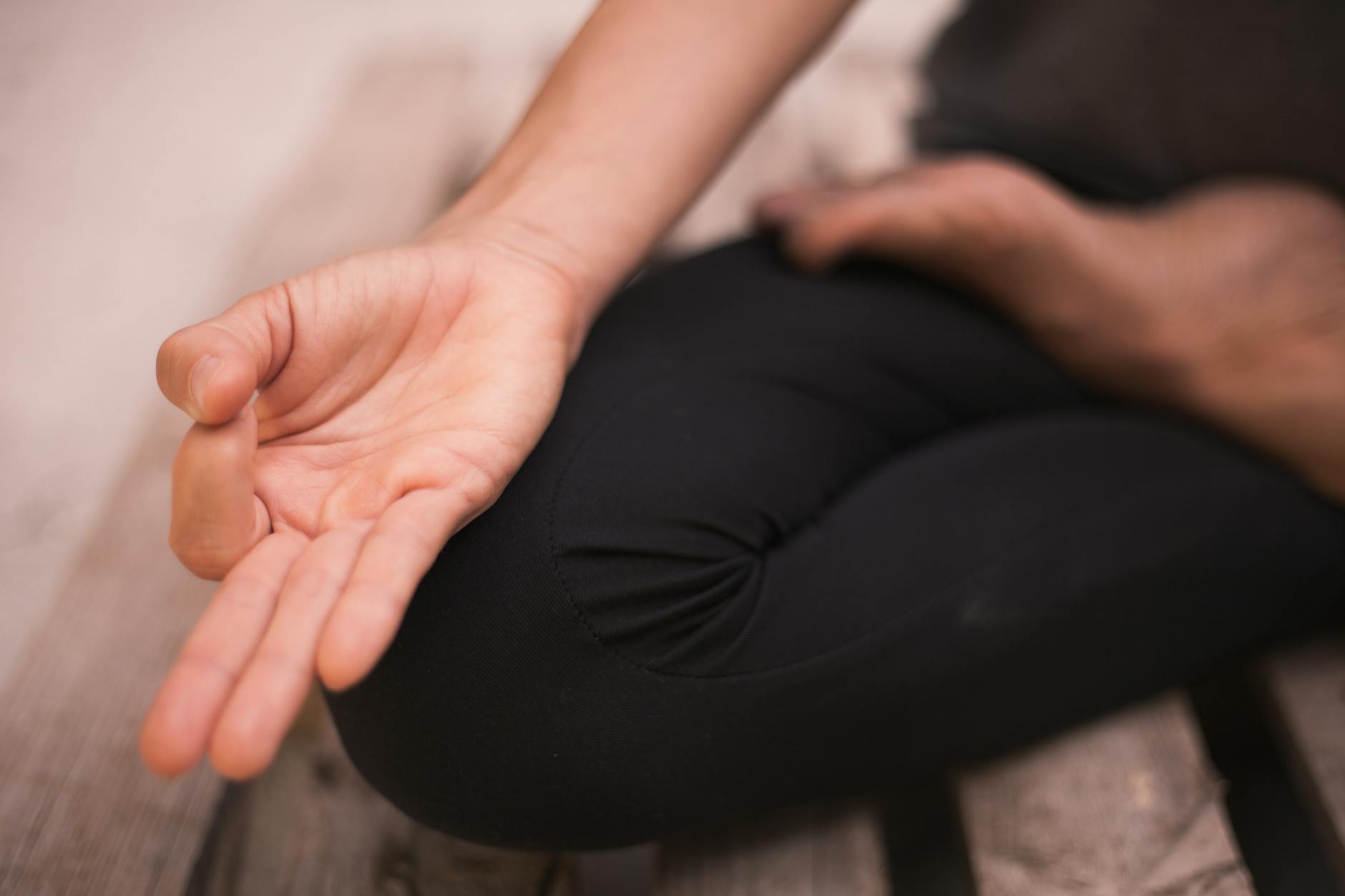
In the world of yoga, where breath and movement align with mindfulness, the practice of mudras–sacred hand gestures– has offered yoga practitioners a way to connect with their inner energy for thousands of years. These gestures, often called “seals” or “energetic locks,” are designed to channel prana (life force) within the body, inviting practitioners into a space of calm, focus, and spiritual alignment. Mudras create a bridge to our inner world, helping to balance the subtle energy currents flowing within us.
What Are Mudras?
In the Sanskrit language, the word mudra translates to “gesture” or “seal.” However, the practice is far more than a physical movement; it is a means of accessing deeper states of consciousness and attuning the body, mind, and spirit. According to the Gheranda Samhita, a classical Hatha Yoga text dating back to the 17th century, mudras are described as essential techniques for developing inner energy, awakening spiritual awareness, and this text also emphasizes the role of mudras in sustaining energy within the body and mind.
The Hatha Yoga Pradipika, another foundational text, refers to mudras as instruments for harmonizing mind and breath. By practicing mudras, yoga practitioners can conserve prana, increase concentration, and stabilize the mind, making them ideal for deep meditation (Saraswati, 1998).
When Are Mudras Used?
Mudras are used in a variety of yogic practices, including meditation, pranayama (breath control), and asanas (physical postures). Each mudra channels energy in a specific way, making them valuable tools in any mindful practice such as:
- Meditation: In meditation, mudras serve as grounding tools that help focus and calm the mind. For example, Gyan Mudra, also known as Jnana Mudra, is created by touching the thumb and the index finger together, leaving the remaining fingers extended. The thumb represents universal consciousness, while the index finger represents individual consciousness. By connecting these two fingers, this mudra can help enhance wisdom and concentration, offering practitioners a sense of connection to a larger consciousness.
- Pranayama: Mudras also play a role in directing prana during breathing practices. For instance, Prana Mudra, which involves joining the thumb with the ring finger and “pinky” or little finger, is thought to activate the life-force energy within. Yoga practitioners sometimes use this mudra to reduce fatigue and restore vitality by connecting the grounding energies of the earth (the ring finger) and fluidity of water (the little finger) with the transformative energy of fire (the thumb).
- Asana: While not as commonly used with most yoga poses, some poses incorporate mudras to help bring an added layer of energy direction and mindfulness to the physical postures of yoga. For example, Anjali Mudra, a more commonly used mudra in yoga, which is also known as “Prayer Hands,” is often used in both seated meditation and asana practices. By pressing the palms together at the heart, Anjali Mudra promotes a sense of inner unity and reverence, inviting the yoga practitioner into a heart-centered focus (Desai, 2017).
Understanding the Context of Mudras
Mudras are much more than simple gestures; they are practices grounded in the elements and the yogic understanding of energy flow. For instance, each finger represents one of the five elements (otherwise known as the “five great elements”, which is closely related to the Panchamahabhutas, a key concept in Ayurveda and Indian philosophy), that are believed to constitute all matter in the universe – including the human body. Those elements represented by each finger are as follows:
- The thumb symbolizes the element of Fire or “Agni,”
- The index finger represents the element of Air or “Vayu,”
- The middle finger represents a connection with the element of Space or “Akasha,”
- The ring finger represents the element of Earth or “Prithvi,”
- And the “pinky” or little finger represents the element of Water or “Apah”
By positioning the fingers in specific ways, mudras create “locks” that direct prana, affecting both physical and mental states. Pantanjali’s Yoga Sutras – one of the primary philosophical texts of yoga – shares that yoga is “the cessation of the fluctuations of the mind” (Yoga Chitta Vritti Nirodha, Sutra 1.2). In practice, mudras help achieve this quieting of the mind by creating energetic stability and focus, ultimately bringing practitioners into a state of pratyahara (withdrawal of the senses) and a deeper self-awareness (Satchidananda, 1978).
Key Mudras and Their Benefits
- Gyan (or Jnana) Mudra: Thumb and index finger together, with other fingers extended. Enhances wisdom, focus and calm.
- Prana Mudra: Thumb joined with ring and little fingers, middle and index fingers extended. Stimulates energy, vitality and grounding.
- Anjali Mudra (Prayer Hands): Palms pressed together at the heart. Cultivates gratitude, compassion, and reverence.
- Dhyana Mudra: Right hand over left hand with palms facing up, thumbs touching, and hands resting in the lap. Enhances meditative concentration, creating a sense of inner stillness.
- Shunya Mudra: Thumb over the middle finger, index finger, ring finger and little fingers (“pinkies”) extended. Helps reduce feelings of emptiness, enhances mental clarity.
- Vayu Mudra: Thumb over the index finger with other fingers extended. Balances air in the body, relieves physical tension and stress.
In their simplicity, mudras remind us that the journey to self-discovery often begins with the smallest of movements. With each gesture, we tap into the inner currents of prana, helping to cultivate balance while awakening to our true nature.
References:
Desai, M. (2017). The Heart of Yoga. North Atlantic Books.
Saraswati, Swami Satyananda. (1998). Asana Pranayama Mudra Bandha. Yoga Publications Trust.
Feuerstein, G. (2008). The Yoga Tradition: Its History, Literature, Philosophy, and Practice. Hohm Press.
Satchidananda, Swami. (1978). The Yoga Sutras of Pantanjali: Translation and Commentary by Sri Swami Satchidananda. Integral Yoga Publications.
 Salubrity + Soul Yoga