
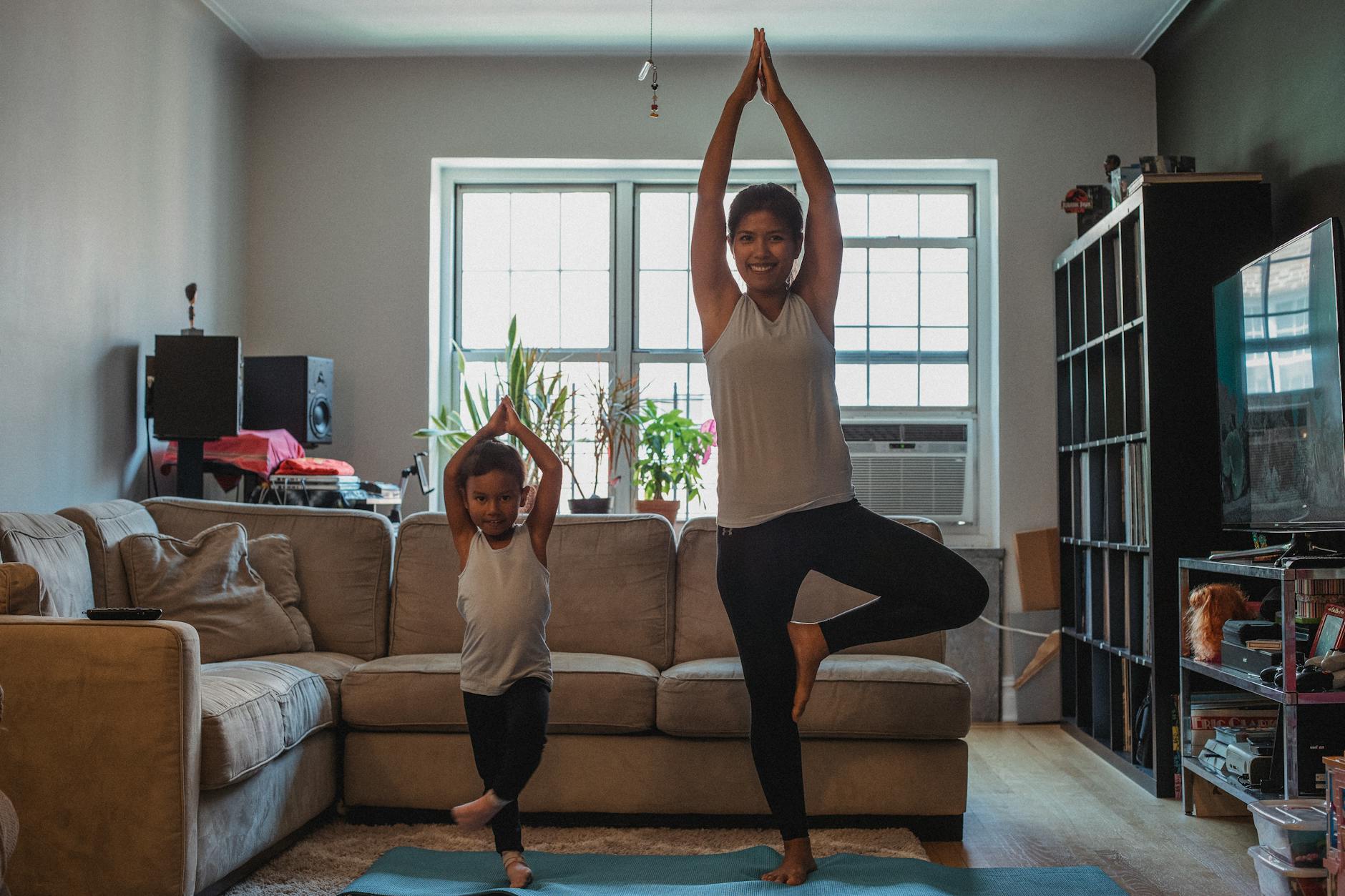
As we come together to honor World Health Day on April 7, 2025, from a yogic standpoint, we recognize not just the significance of physical well-being but the deep, intrinsic bond between our bodies, minds, and spirits. The theme of World Health Day this year is “Healthy Beginnings, Hopeful Futures” highlighting maternal health and newborn well-being. It is a theme of great importance, as it underscores the urgency of reducing maternal and newborn deaths while focusing on the long-term health and vitality of mothers, their children and families across the globe. As a mother who has experienced high-risk pregnancies, I felt compelled to share this important day and the role that yoga can play in this issue as a source of support.
The State of Maternal and Newborn Health as a Global Crisis
Despite substantial strides in medical care, the statistics on maternal and newborn health remain sobering. In 2020, an estimated 287,000 women lost their lives due to complications during pregnancy and childbirth, and 95% of those deaths occurred in low–and middle income countries. In the U.S. in 2021 there were 1,205 maternal deaths, 817 in 2022, and in 2023, 669 maternal deaths were reported (PBS.org, Public Broadcasting Service, February 2025). Moreover, in 2022, over 2.3 million newborns tragically died in the first 28 days of life, a number that continues to haunt the global conscience. These deaths–estimated at about 6,500 infants per day – serve as a grim reminder that the work that we need to do to change this reality is far from finished.
And it’s not just about the numbers. Behind each statistic is a story of mothers, fathers, and families striving for hope, health, and the promise of a brighter tomorrow. Infections, hemorrhages, hypertensive disorders, and lack of access to skilled healthcare remain key factors contributing to this crisis. However, it is essential to recognize that while medical interventions and improved healthcare infrastructure are indispensable, there is also a holistic approach to maternal and newborn health that cannot be overlooked.
In this space of challenge, there is great potential for transformation–and one powerful avenue to support maternal health is through yoga.
Yoga as a Source of Strength + Prenatal Yoga’s Role in Maternal Well-Being
Yoga is a practice that invites us to move beyond mere physical exercise; it encourages us to connect with our innermost selves, listening deeply to the wisdom that our bodies hold. For expectant mothers, yoga can become a sacred tool, nurturing both the body and mind during one of life’s most beautiful and meaningful transformations. Furthermore, prenatal yoga, when practiced mindfully and with care, offers a wide array of benefits that support maternal health some of which include:
- Stress Reduction + Emotional Balance: The transition into motherhood can be a wonderful, yet overwhelming experience. Yoga helps calm the nervous system, reducing stress and anxiety, while cultivating emotional resilience in the face of the unknown. Through gentle breathwork in the form of pranayama and mindful movement, yoga fosters a sense of empowerment and inner peace, creating a serene, centered space for both mother and baby.
- Physical Relief + Support: Pregnancy comes with a myriad of physical changes– back pain, sciatica, swelling, and fatigue for example, and prenatal yoga can be a life raft in this sea of discomfort, gently stretching and strengthening the body. It supports alignment, alleviates discomfort, and strengthens the muscles crucial for birth and postpartum recovery.
- Breathing for Birth: The breath is one of the most powerful tools a woman has during childbirth. Breath control, or pranayama, can help a mother stay grounded and focused throughout labor, easing the intensity of contractions and facilitating a smooth, supported delivery. Practices like diaphragmatic breathing and Ujjayi breath can offer deep relaxation and rhythm during labor, as well as a sense of calm throughout pregnancy.
The Importance of Working with a Certified or Registered Prenatal Yoga Teacher
It is crucial to recognize that prenatal yoga should not be approached haphazardly. Just as you would seek professional guidance for other aspects of your health, working with a certified prenatal yoga instructor ensures that your practice is tailored specifically to your changing body. A certified or registered prenatal yoga teacher can provide you with the right modifications, create safe sequences, and ensure that your practice aligns with your body’s needs during this very important time.
Pranayama for Maternal Health to Cultivate Calm + Connection
Pranayama is another powerful yogic tool for expectant mothers. The breath serves as a bridge between body and mind, calming the nervous system and centering the practitioner. However, when practicing pranayama during pregnancy, caution is necessary. Some forms of pranayama can be too intense and should be avoided, such as vigorous techniques like Kapalabhati (Skull Shining Breath) or Bhastrika (Bellows Breath), which can create unnecessary pressure on the abdominal area. Instead, gentle, soothing breaths like diaphragmatic breathing (deep belly breathing) and Nadi Shodhana (alternate nostril breathing) can help balance energy and create relaxation in the body and mind.
These simple yet powerful techniques allow a mother to tap into both her innate softness and strength. Pranayama cultivates focus, reduces anxiety, and enhances oxygen flow–an essential practice for both maternal and newborn health.
Postnatal Yoga + Supporting Recovery and Restoration
The journey doesn’t end with birth–it’s a new beginning. The postpartum period, though often marked by joy and delight, can also be physically demanding. Postnatal yoga can serve as a key recovery practice, helping mothers heal and reconnect with their bodies after childbirth. It can gently strengthen the core, relieve tension, and enhance emotional balance. In addition, it helps fosters a bond between mother and baby, creating space for shared moments of awe, wonder and connection.
As always, just as prenatal yoga should be practiced under the guidance of a certified or registered instructor, so too should postnatal yoga. The body undergoes immense changes after childbirth, and a skilled teacher will be able to help guide you through the process of healing, honoring the unique needs of your body at this stage.
Conclusion + Advocating for “Healthy Beginnings, Hopeful Futures”
This World Health Day, I invite you to reflect on the importance of maternal and newborn health. These lives are the foundations of our future– and they deserve the best possible start. By integrating practices such as prenatal yoga, pranayama, and mindfulness into the lives of expectant mothers, we’re able to take a significant step toward improving global health outcomes; and ensuring that each new life is born into a world of love, health, and possibility.
As we celebrate this special day on April 7th, let’s remember that well-being is not just a physical state but a holistic experience. It encompasses emotional, mental, and spiritual health as well. Whether you are expecting a child, supporting someone who is, or just reflecting on the larger theme of this day of recognition and awareness, here are a few ways to contribute to the betterment of maternal and newborn health worldwide–and take action:
Share what you know about maternal and newborn health within your community and destigmatize conversations surrounding maternal health.
- Remind mothers of their essential need of radical self-care, and that their wellness and well-being is just as important as their baby’s.
- Donate to initiatives that prioritize maternal and newborn care.
- Offer support and share helpful tips on prenatal yoga, and other yogic practices with someone you know who is expecting, to help them prioritize their prenatal and postnatal wellness and well-being.
Together we can help ensure that every birth is safe, every mother is nurtured, and every newborn is given a radiant start in life.
*I would like to include that I am not certified in prenatal yoga, as it is not one of my specialties. However, I am fortunate to know a few skilled yoga instructors who do specialize in prenatal yoga, and I would be more than happy to connect you with a certified prenatal yoga instructor if you are looking for one – simply contact me.
References:
- Global Maternal Mortality (2020 Estimate – 287,000 deaths worldwide).
- Source: World Health Organization (WHO), UNICEF, UNFPA, World Bank Group, and United Nations Population Division.
2. U. S. Maternal Mortality (2023: 669 deaths, 2022: 817 deaths, 2021: 1,205 deaths).
- Source: National Center for Health Statistics (NCHS), Centers for Disease Control and Prevention (CDC).
3. Public Broadcasting Service (PBS, 2025) – PBS.org/newshour/health/maternal-mortality.
 Salubrity + Soul Yoga