
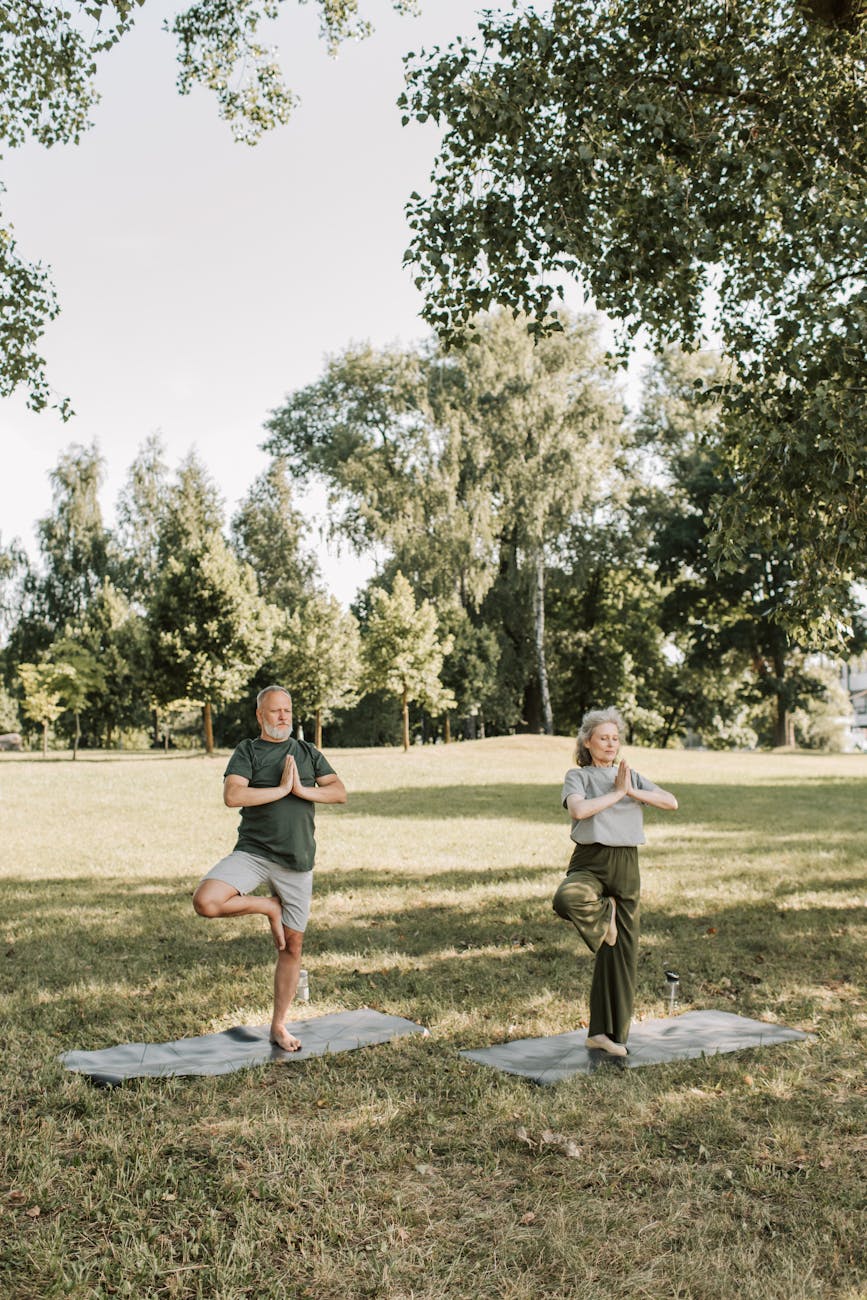
Many people come to yoga seeking flexibility, strength, or relief from the demands of daily life even. Those are meaningful benefits, but there is another conversation quietly unfolding in the world of health and longevity – one that deserves our attention as people who practice yoga. This conversation is centered on a condition known as Sarcopenia.
Sarcopenia refers to the gradual loss of skeletal muscle mass, strength and function that occurs as we age, and it has been recognized as a major contributor to frailty, reduced mobility and loss of independence in older adults. When we think about this type of decline we tend to associate it with only occurring later in life. In fact, many adults begin losing muscle mass as early as their thirties, often at a rate of 3 – 8% per decade, with the rate accelerating after the age of 60.
Not only does Sarcopenia have an affect muscle loss, it also tends to create changes in strength, balance and overall physical function. Research has linked this condition to several factors which include: aging, reduced physical activity, inadequate protein intake, chronic inflammation, illness, hormonal changes and prolonged sedentary behavior. Over time, these changes can have an impact on everyday life in the subtlest of ways whereby one might begin to notice increased difficulty in opening jars, reduced walking speed, or increased balance instability. Shifts such as these can contribute to an increased risk of falls, disability and loss of independence in later life. For this reason, many researchers now view this condition as one of the central challenges of healthy aging.
The good news is, muscle is remarkably responsive to how we live, and more specifically, how we move our bodies – and this is where yoga comes in.
Yoga offers something important for the aging body which is: intentional, functional movement and when practiced consistently, yoga can help maintain muscular engagement, balance and coordination, joint stability, postural strength, and neuromuscular awareness. In addition, emerging research suggests that a long-term yoga practice may support muscle-related biomarkers associated with strength and longevity in older adults. Yet, most experts agree that the best approach to maintaining muscle health included a combination of physical activity and proper nutrition highlighting resistance training and protein intake. Still, yoga can be a beneficial and valuable part of that broader lifestyle.
While resistance training often receives the spotlight in discussions about muscle health, yoga offers several qualities that complement it beautifully. For example, yoga cultivates:
Body awareness assisting in the ability to sense subtle changes in strength, balance and mobility.
Functional strength as many yoga postures require stabilizing muscles that aren’t always used in some other forms of exercise.
Balance and coordination as these skills are essential for the prevention of falls especially with regard to aging and late life.
Consistency as yoga is a practice that many people continue for a long time, especially with there being different types of yoga with different posture variations and modifications available. Longevity in movement may matter just as much as intensity.
In modern fitness culture, strength is often equated with appearance or performance, but yoga and aging invites a more nuanced interpretation here. For example, strength can mean rising from the floor with ease, carrying groceries bags without any strain, or maintaining independence in later years. These may sound like very simple things, but they are among the most significant capacities that we can preserve for ourselves.
If you practice yoga regularly, you are already supporting your body in meaningful ways, and if you are not, it’s never too late to start. Practicing yoga can become a powerful foundation for healthy aging and sustaining the ability to move through life with dignity, autonomy and vitality as much as possible – and yoga, practiced with care and consistency, can be one activity that helps you do exactly that.
References
Field, Tiffany. (2016). Yoga research review. Complementary Therapies in Clinical Practice, 24, 145-161.
World Health Organization. (2022). Physical activity guidelines for older adults.
National Institute on Aging. (2023). Sarcopenia: Age-related muscle loss. U.S. Department of Health and Human Services.
Harvard Medical School. (2022). Strength training and muscle preservation as we age. Harvard Health Publishing.
Hunter, Gary R., McCarthy, John P., & Bamman, Marcas, M..(2004) Effects of resistance training on older adults. Sprots Medicine, 34(5), 329-348.
Discover more from Salubrity + Soul Yoga
Subscribe to get the latest posts sent to your email.
 Salubrity + Soul Yoga